|
First, there is 10 month old little Cannoli, in Austin, Texas.
Cannoli came into rescue a month ago, from the Austin Texas shelter.
As we have done since the nearly the beginning, we quarantine all shelter rescues at veterinary offices for at least 10 days.
I know most other rescue organizations don’t do this.
I know it’s an added expense for each Bichon rescued from a shelter.
But back when we first started, and some of you will remember this, back in 1998, we rescued a Bichon from the Dallas shelter.
We sent the dog directly into a foster home, where in about a week, it broke with Distemper, and exposed all of Bayn Carlson’s other Bichons to a potentially deadly disease.
Yes, his dogs were vaccination, but it really got my attention.
How would any of us feel about bringing a new foster dog into our homes, into our homes with our own dogs, possibly harboring a disease that could make them sick, or worse?
No. It wasn’t happening on my watch.
No one died during that very expensive lesson regarding distemper. But it was VERY close.
Thousands of shelter Bichons, over the almost 28 years that we’ve been doing this work, have broken with SOMETHING during their 10 days of quarantine, thus protecting our Foster Parent’s own personal dogs.
And it’s happened yet again, twice.
Little Cannoli is being treated at Westlake Animal Hospital, in Austin, Texas.
He has been there a month now. He doesn’t have normal kennel cough.
He’s been diagnosed with Canine pneumovirus (CnPnV)
Canine pneumovirus (CnPnV) is a highly contagious respiratory virus that can cause severe, sometimes fatal, pneumonia in dogs, especially when coupled with secondary bacterial infections. Identified around 2010, it causes coughing, nasal discharge, and fever, spreading via aerosols and direct contact, particularly in high-density areas. National Institutes of Health (.gov)
+1
Key Information on Canine Pneumovirus:
- Symptoms: Early signs include a “honking” cough, fever, lethargy, and nasal discharge. It can rapidly progress to severe pneumonia within 24-36 hours. National Institutes of Health (.gov)
- +1
- Transmission: Highly contagious, spreading through aerosols (coughing/sneezing) and contact with contaminated surfaces (fomites). YouTube
- Treatment: There is no specific vaccine or antiviral. Treatment is supportive, including oxygen therapy, fluids, and broad-spectrum antibiotics to manage secondary bacterial infections. PetMD
- +2
- Distinction: Unlike common kennel cough, this virus can cause deep lung involvement (pneumonia) and is often part of a broader outbreak of respiratory disease that may not respond to standard treatments.
-
So, Cannoli has had nasal discharge, has been sneezing and coughing.
The good news is that he finally appears to be kicking this and is on the upswing, AND he has a Foster Home waiting for him!
The bad news is his ever climbing vet bills.
He will be there another week and his bill so far is around $2500.00, which includes our rescue discount.
Cannoli!!!
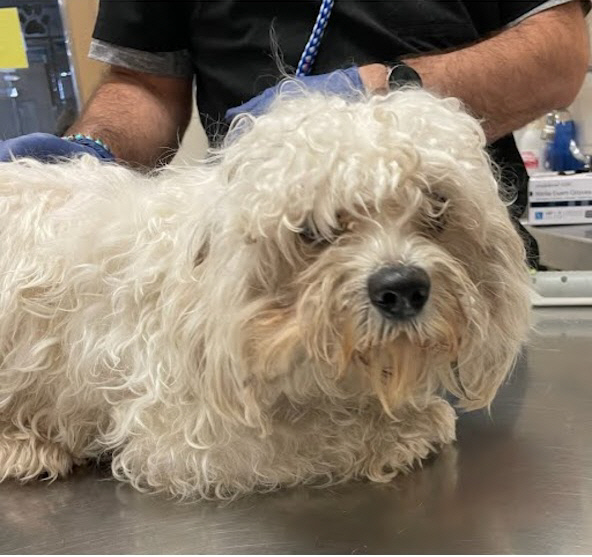
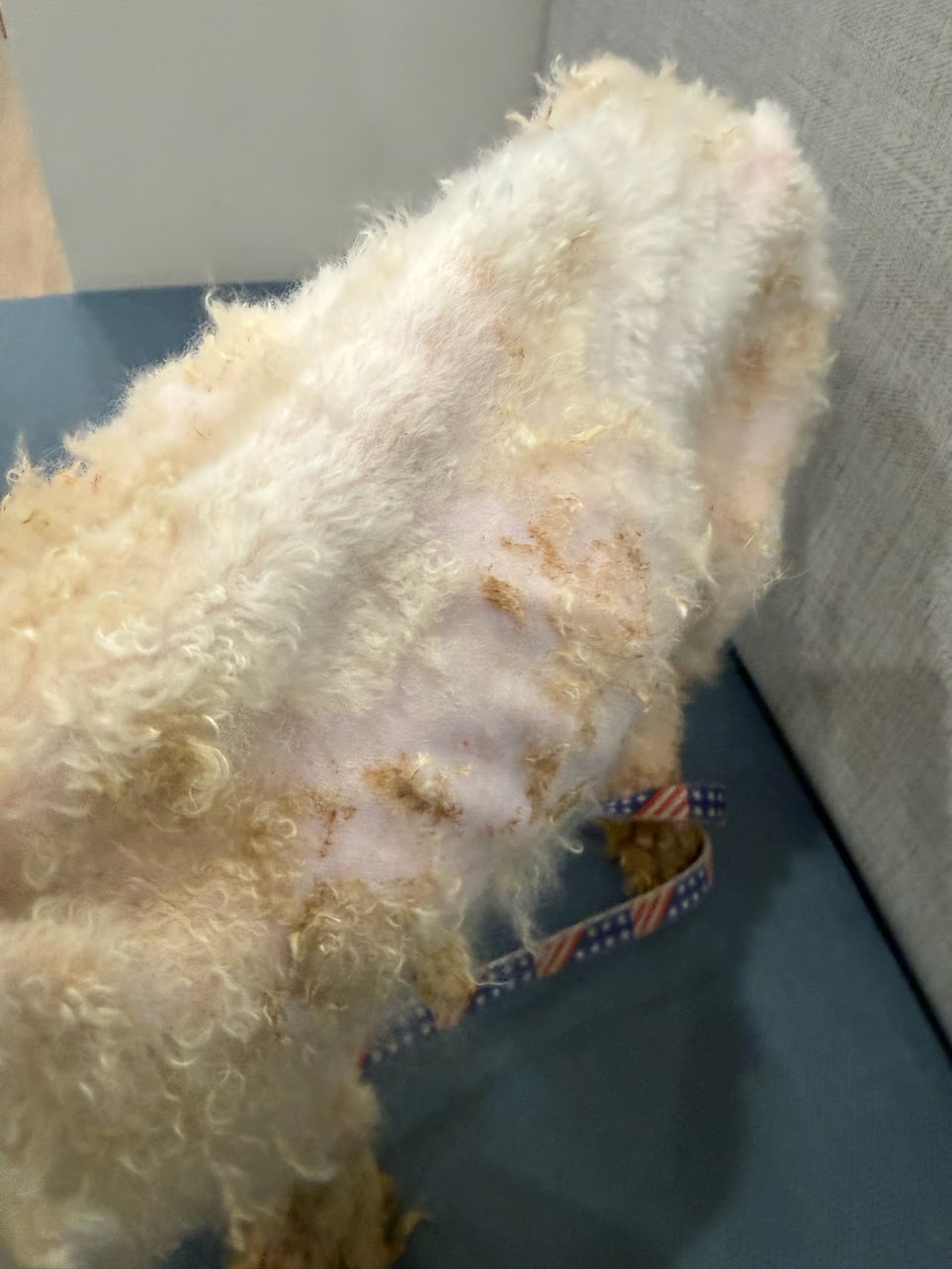
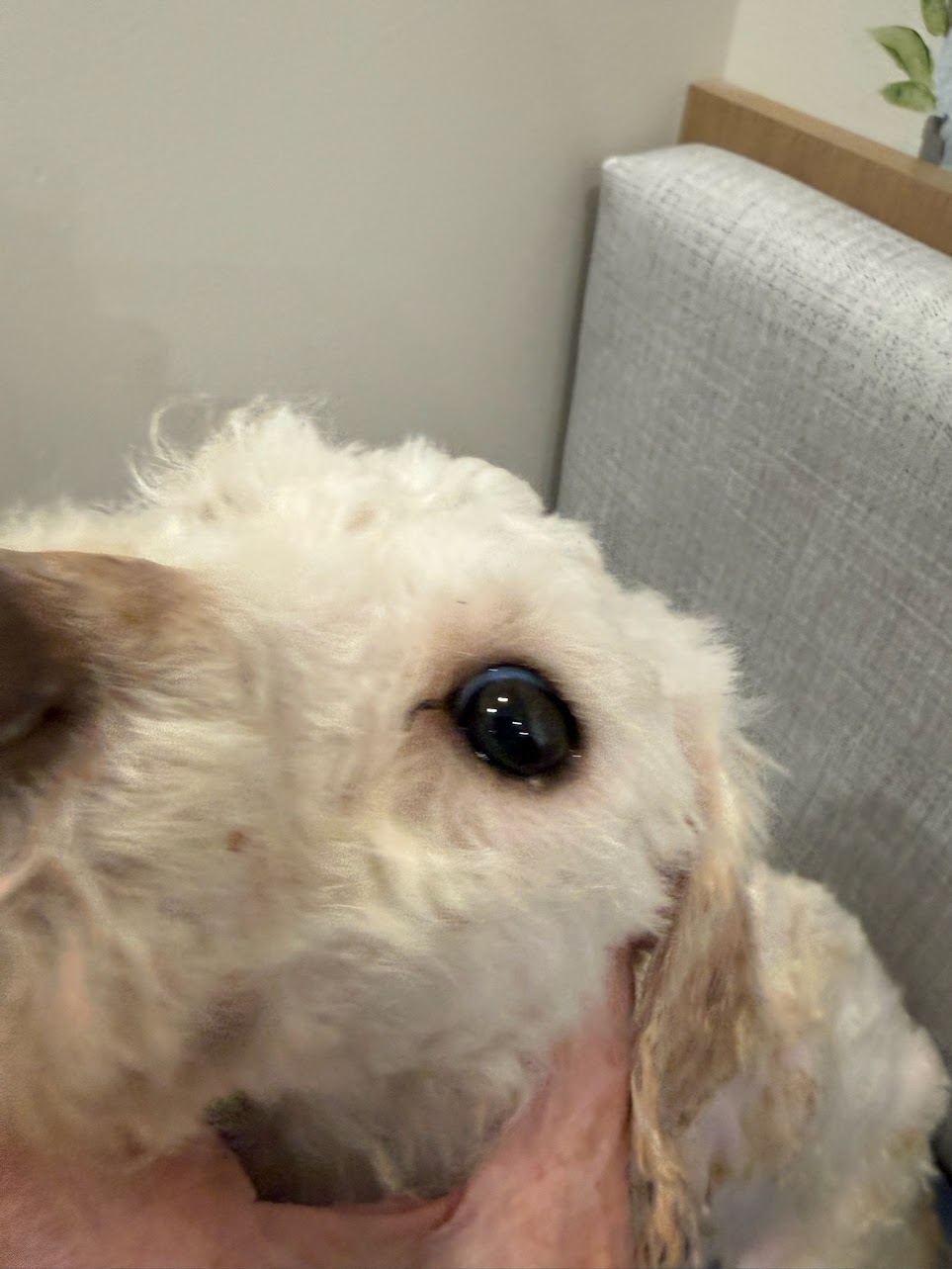
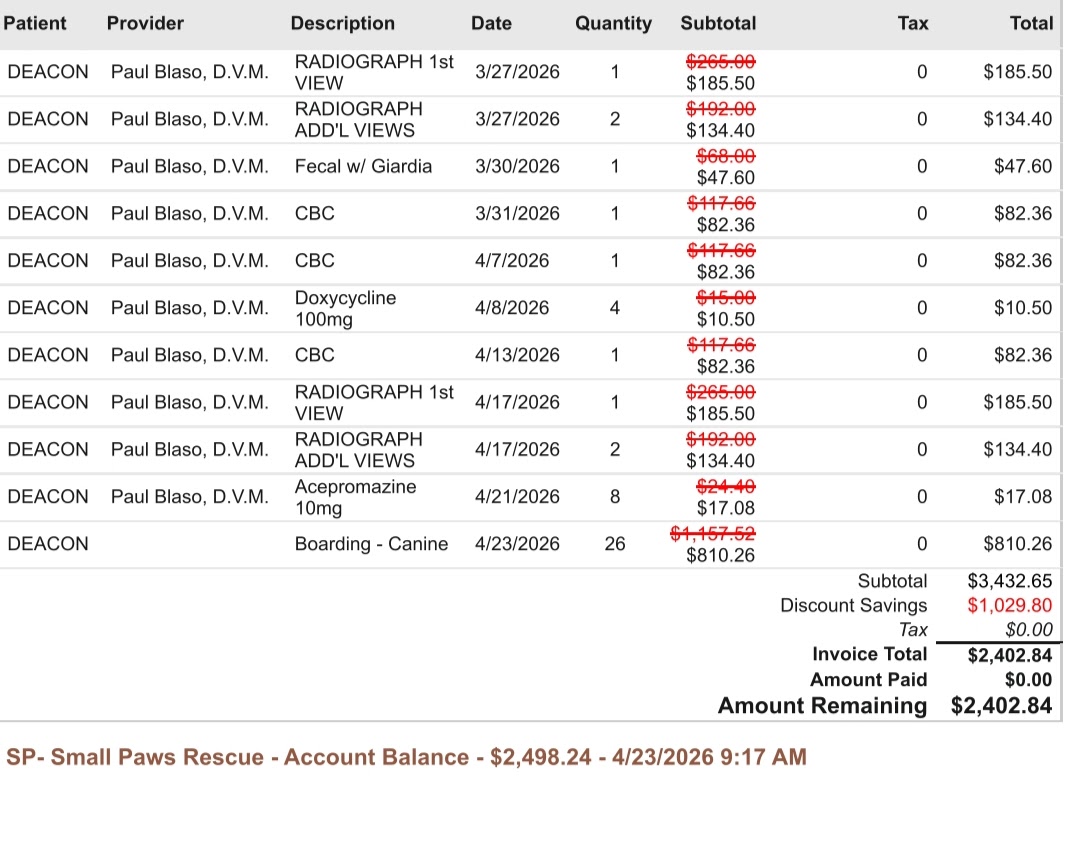
Next, at Plainfield Veterinary Hospital, just outside of Chicago, we have little “Deacon”.
|